Echoes of the Alps
Reimagining Traditional Crafts with Cutting-Edge Technology
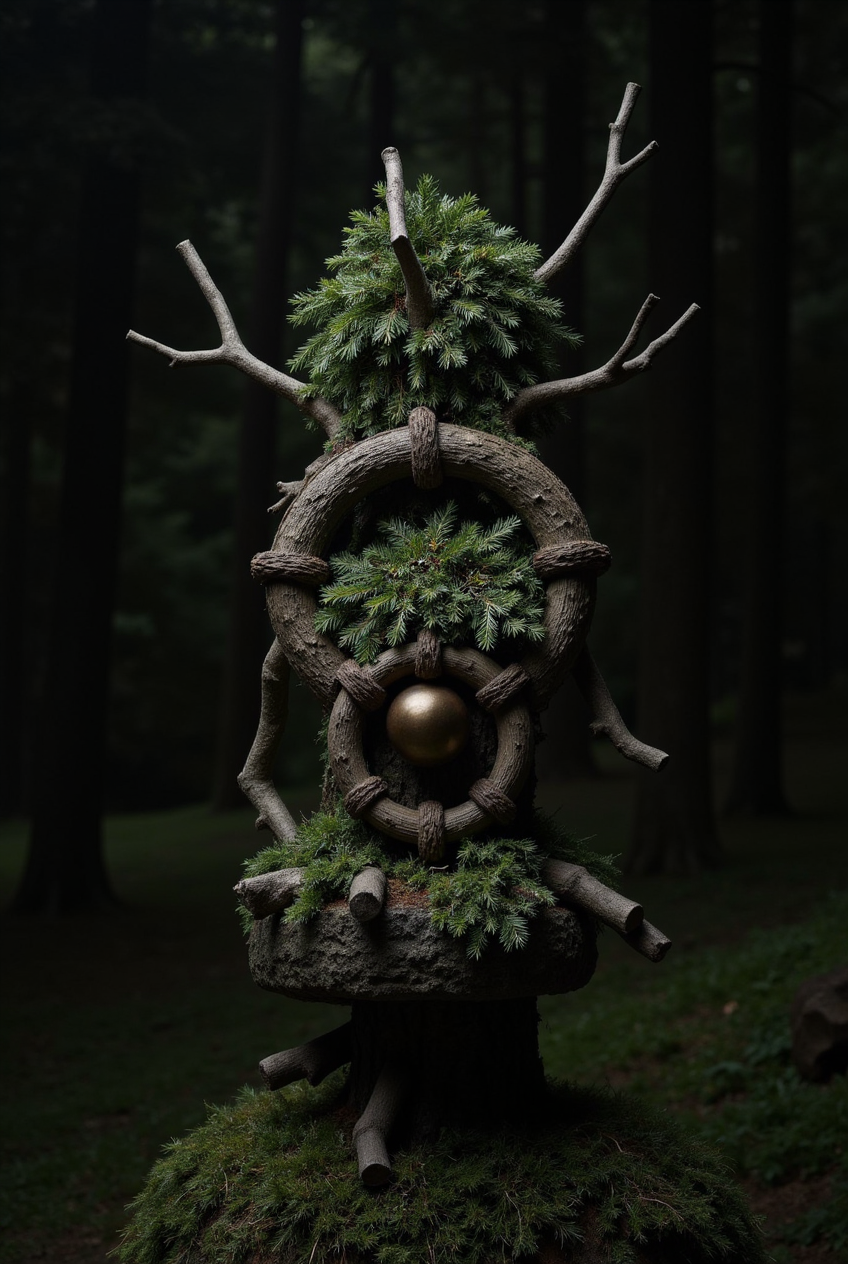
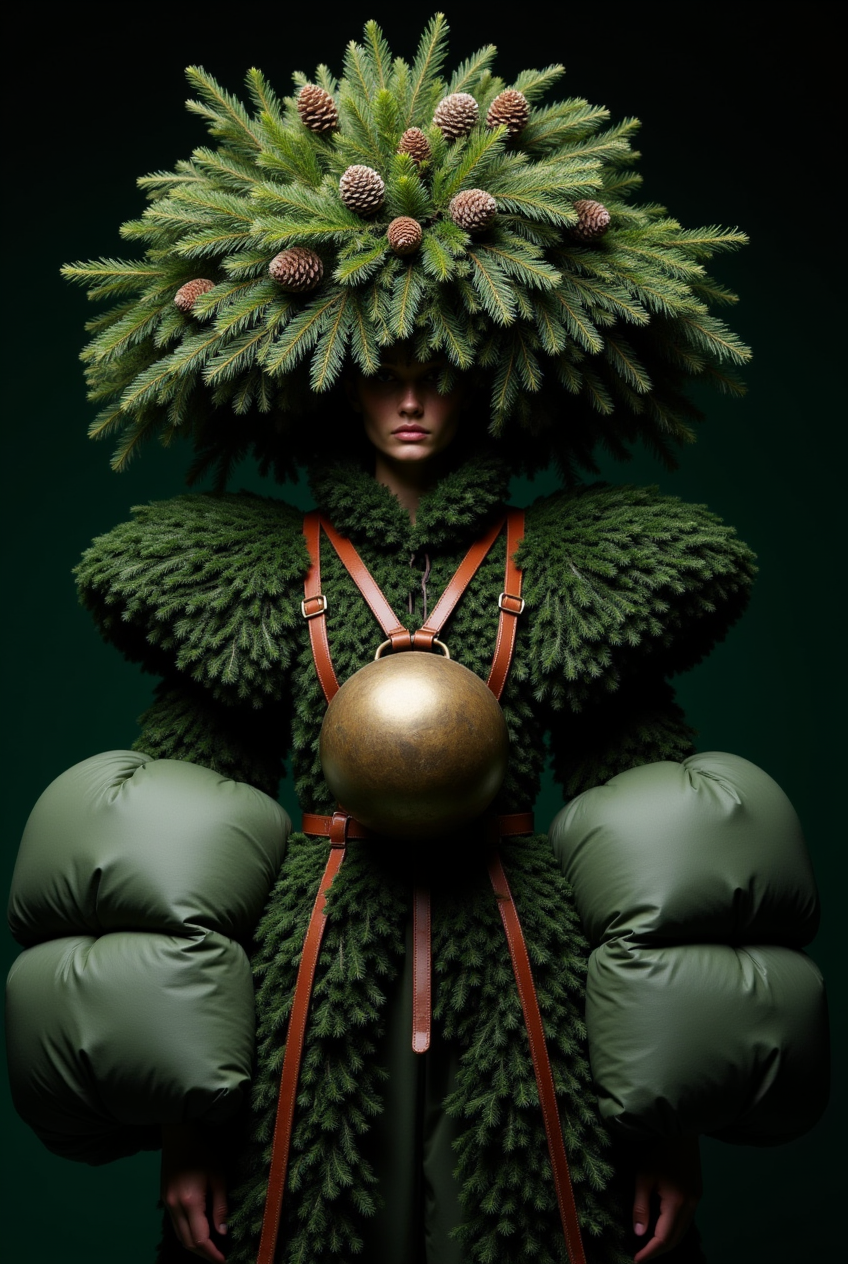
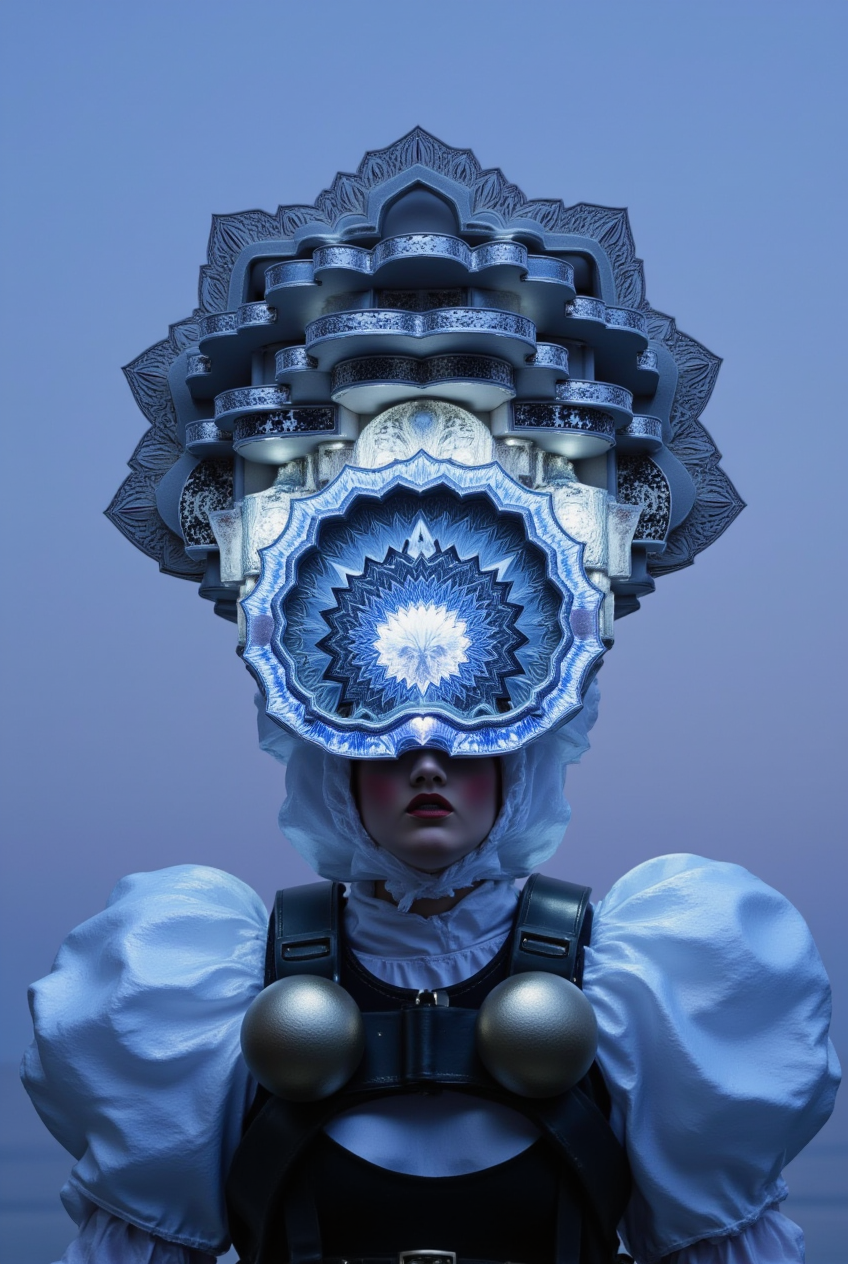
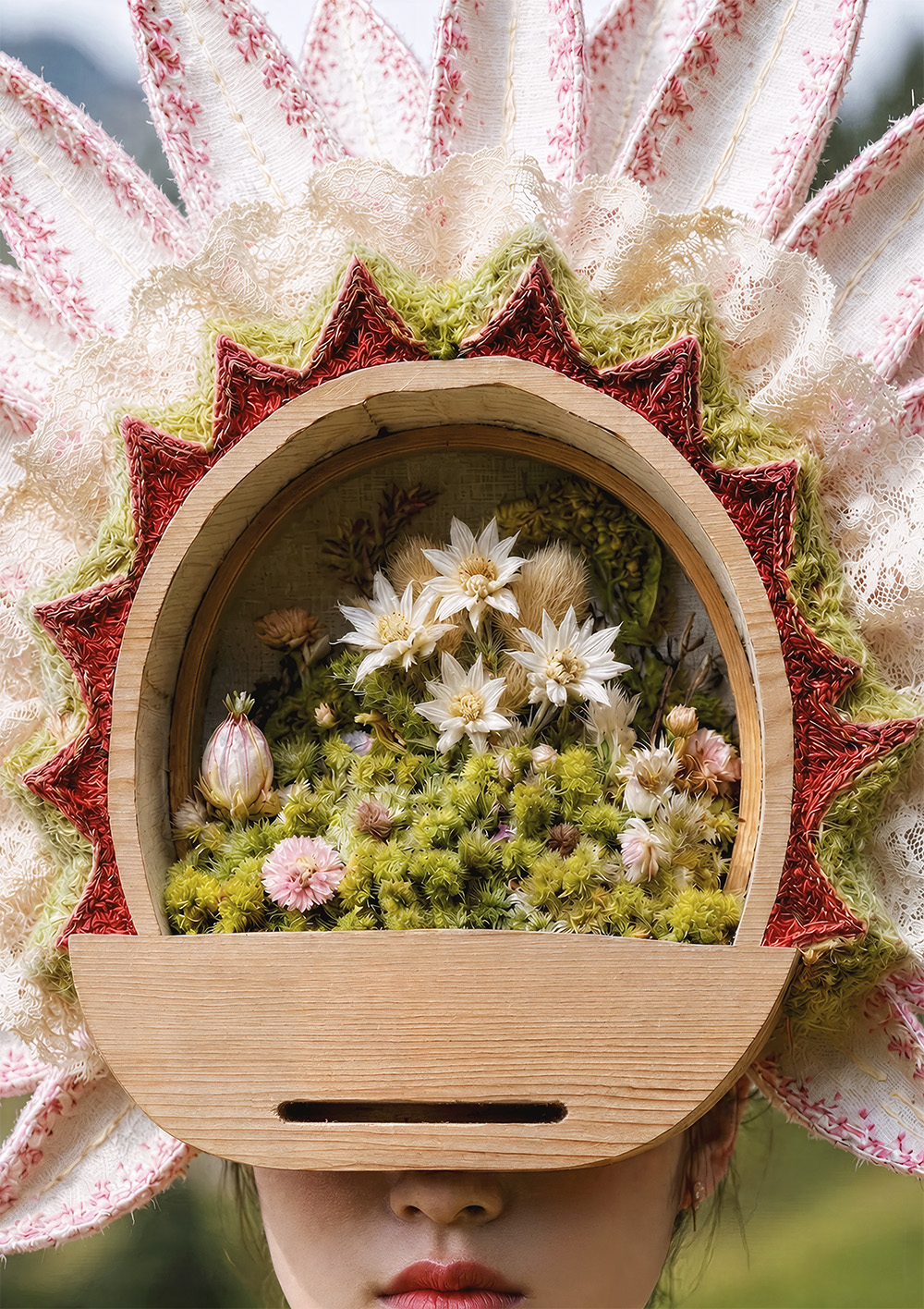
Echoes of the Alps is a visual exploration of tradition, transformation and imagination, inspired by the Silvesterchlausen of Appenzell in Switzerland.
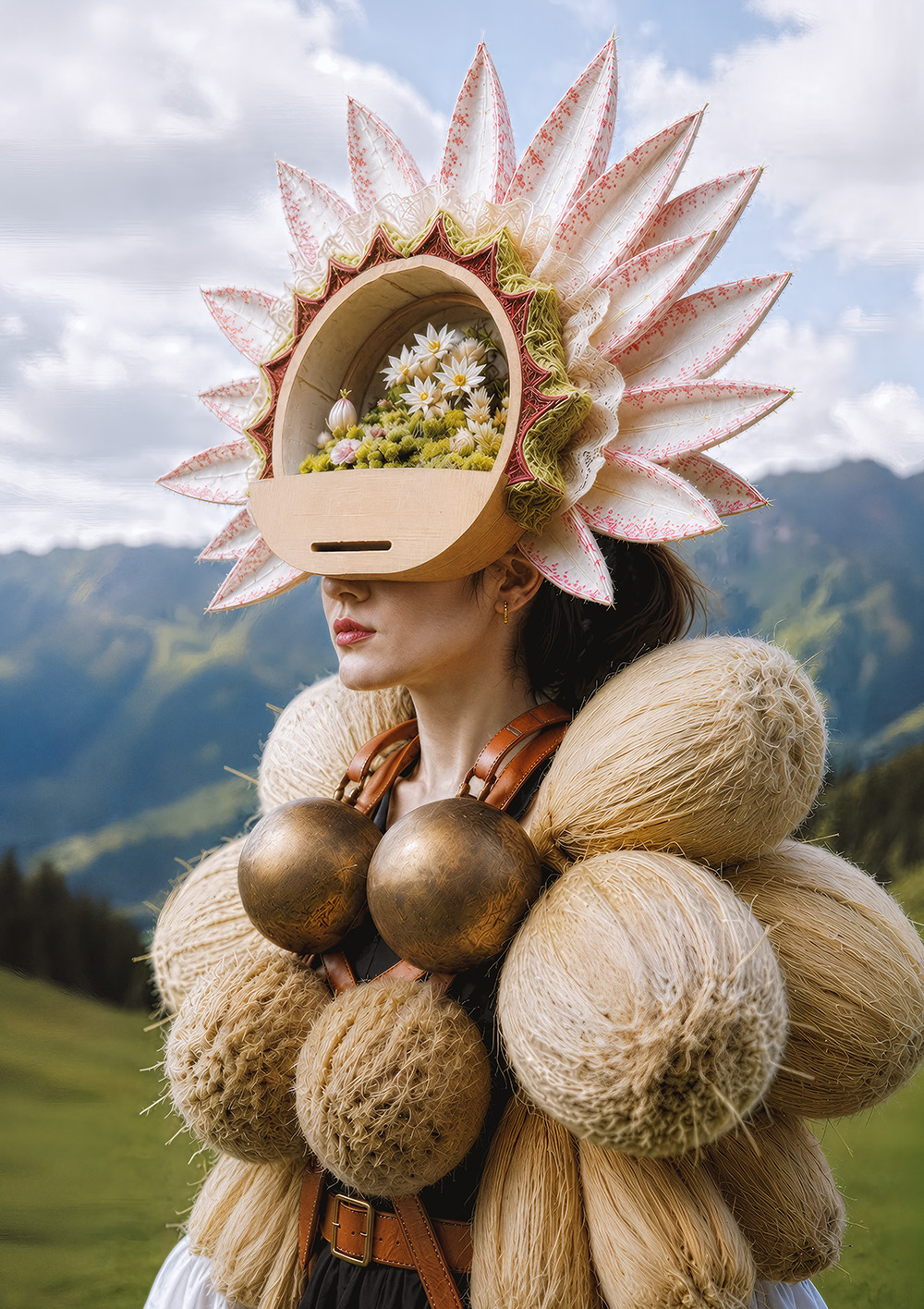
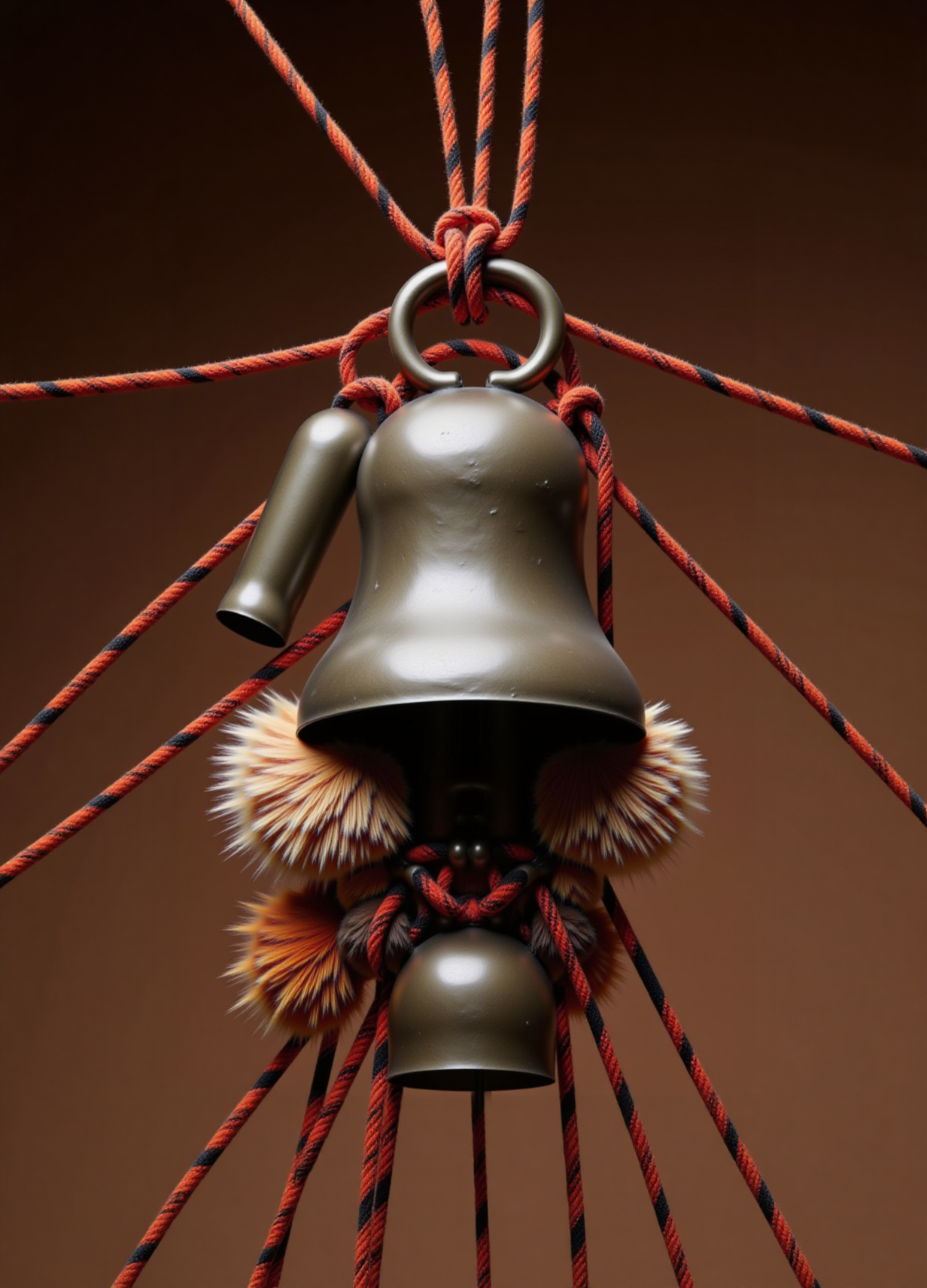
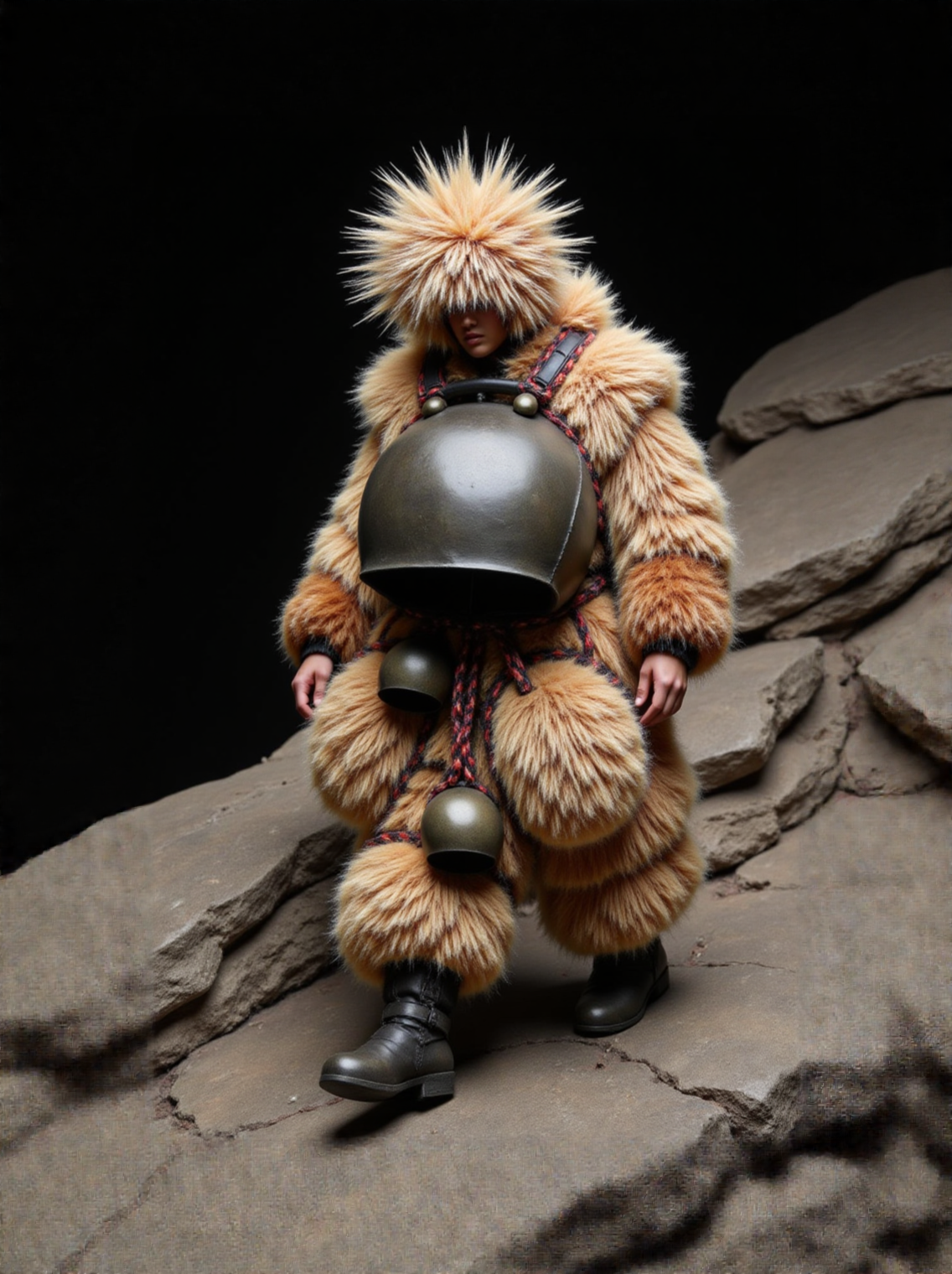
Every winter, participants in this centuries-old tradition move from house to house wearing elaborate handmade costumes and monumental headdresses, accompanied by the sound of large bells. Their appearance brings together craftsmanship, ritual and representations of the Alpine landscape.
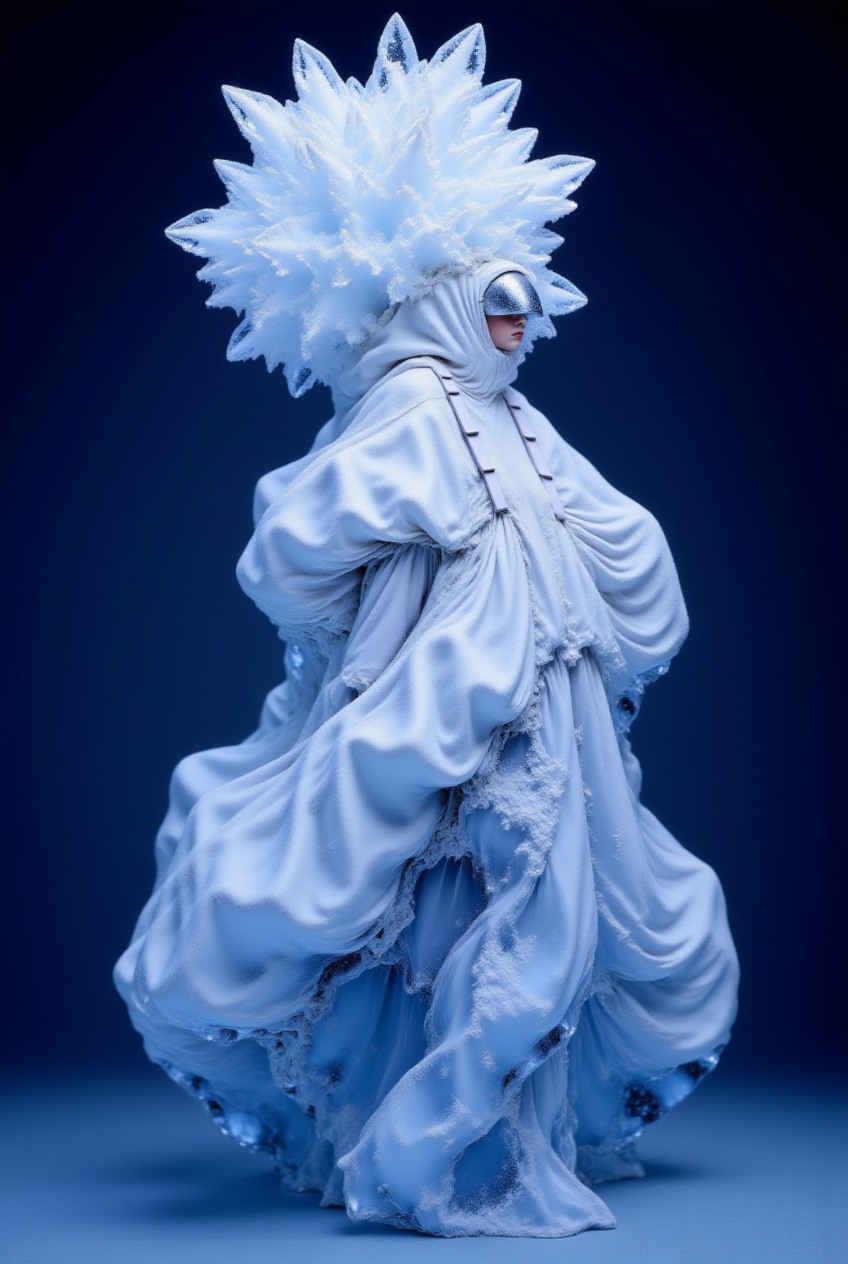
Rather than documenting or reproducing these costumes, Echoes of the Alps uses them as a starting point for an imagined contemporary folklore.
Created through AI-assisted image-making and digital art direction, the works reinterpret elements associated with the tradition, intricate textiles, bells, flowers, natural materials and elaborate headpieces, allowing familiar references to evolve into new and fictional forms. The resulting figures seem to belong simultaneously to an inherited past and to a possible future.
The use of artificial intelligence is an integral part of this process. Here, AI is not used to reconstruct tradition accurately, but as a tool for speculation: a way of exploring how cultural references can be transformed, recombined and imagined beyond their original forms.
For us, this creates an interesting tension. Traditions such as the Silvesterchlausen are rooted in repetition, transmission and physical craftsmanship, while generative technologies produce images through continuous variation. Bringing these two approaches together raises questions about how cultural memory might evolve as new tools become part of the way we create and communicate images.
Since moving from Switzerland to Tokyo, we have also begun looking at our own cultural background from a greater distance. Living in Japan, where traditions, craftsmanship and contemporary visual culture often coexist, has encouraged us to reconsider what it means for a tradition to remain alive.
Echoes of the Alps does not attempt to preserve folklore unchanged. Instead, it considers tradition as a living visual language: something that can be inherited, reinterpreted and transformed while continuing to carry echoes of where it came from.
Get It Studio — Sandra Golay & Alexandre Armand
Swiss artists and creative directors based in Tokyo


CLIENT
Swissnex
CREDITS
Design: Get It Studio